Table Of Content

They can also have waxworms and the very occasional treat of a single pinky mouse. It is also a good idea to constantly check their bedding or other parts of their enclosure for mold, which can occur due to the high humidity levels. If you find some mold in their bedding where it’s most likely to happen, remove that portion as soon as you catch it to avoid growth. Male Curly Hairs will live for around 10 years whereas females can live up to 20 years.
Best temperature for curly hair tarantulas
They also have longer legs and pedipalps, which are the appendages near their mouth. Male pedipalps often have tibial hooks, used during mating, that are absent in females. During the actual molting process, it is crucial to exercise caution and provide the necessary care for your Curly Hair Tarantula. This involves refraining from handling or disturbing the tarantula in any way, as this can lead to serious complications and even death. Tarantulas can be fascinating pets to own, and with proper handling techniques, you can develop a bond of trust with your curly hair tarantula. In this section, we will explore safe handling techniques, signs of stress or aggression to watch out for, and methods to build a bond of trust with your tarantula.
Tarantulas, Killer Caterpillars, and the Most Misunderstood Bugs - National Geographic
Tarantulas, Killer Caterpillars, and the Most Misunderstood Bugs.
Posted: Sat, 01 Oct 2016 07:00:00 GMT [source]
Characteristics of the Curly Hair Tarantula
They are well-loved by beginners and experts alike and are not likely to get aggressive. Your tarantula’s tank should be kept out of direct sunlight, as they are nocturnal and natural light will mess up their internal clock. It can also cook your spider as they are sensitive to the sun’s light.
Tliltocatl albopilosus Food & Feeding
I don't use any prey larger than ⅔ the size of the tarantula and if i have to feed something larger, i will smash the preys head before dropping it in the enclosure. This species can go weeks without eating, so i always check up on the 24 hours after feeding and remove any prey they didn't eat and try again in a week or two. I normally wait 5-7 days after a molt before feeding a juvenile again.
They are also known to burrow, so you can provide your tarantula with a substrate that allows them to do this. The abdomen of the spider is usually white or silver in color, and they possess a powerful set of claws suitable for digging in their wild habitat. This species is a great choice for invertebrate enthusiasts looking for a unique and interesting pet to care for. The spider’s colors range from light to dark brown with light yellow-orange legs.
Care Sheet
Campaign underway to build visitors center at a Mount Diablo State Park entrance - The Mercury News
Campaign underway to build visitors center at a Mount Diablo State Park entrance.
Posted: Tue, 21 Feb 2023 08:00:00 GMT [source]
Generally, they are docile and easy to handle but owners should still proceed with caution, as not all tarantulas will react in the same way. All lights, even artificial can also mess with their sleep-wake cycle. They are native to Costa Rica and Nicaragua where they roam the tropical scrublands and sometimes live in burrows on the ground.
Handling
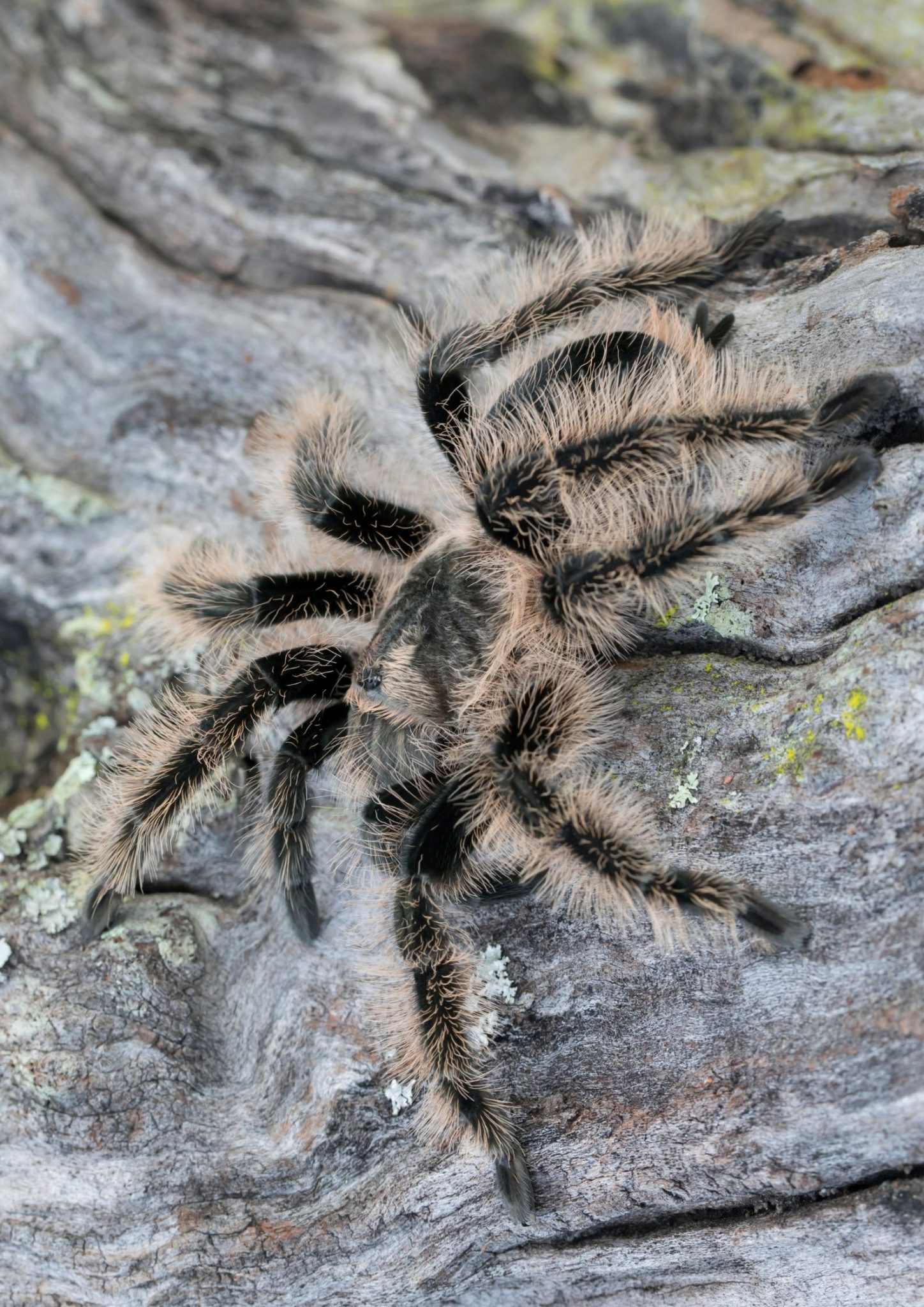
The problem with having a sick tarantula is that many vets will have no idea how to help you. In many cases, all you can do is wait and see if your spider will recover. They’re not prone to biting, but they will if they feel the need to defend themselves. Most people will only suffer pain and a bit of swelling, much like the sting of a wasp or bee. Some people are allergic, though, so if you have trouble breathing after getting bit, see a doctor immediately. Native to Mexico, this species is often referred to as the Mexican Flame Knee Tarantula.
Regardless of the you choose, it is important to provide a layer that is at least two to three inches deep. This depth allows for proper burrowing and creates a more natural and enriching environment for your tarantula. It is best to feed your adult Curly Hair tarantula about once every week. If you are raising a young spider, they can generally eat every 2 to 5 days.
The best way to do this is with a hygrometer (humditiy gauge) placed in the enclosure. A proper tank setup for a Curly Hair tarantula involves providing enough substrate for burrowing. The substrate can be as simple as Coconut fiber, or as elaborate as Josh’s Frogs Dig It and BioBedding Tropical.
The Curly Hair Tarantula is easy to care for pets because they are not very active. They do not need a lot of space, and they can be kept in a small enclosure. However, it is important to make sure that their enclosure has enough ventilation. Curly hair tarantulas can reach a size of up to six inches in length, including their legs. They are not the largest tarantulas out there, but they can be intimidating for people who are not used to handling them. Curly Hair Tarantula can live for up to 20 years in the wild, while in captivity their lifespan is about 8 to 10 years for females and 4 years for males if they are well cared for.
And as long as you maintain the right temperature and humidity in their environment—and keep live prey away from them—they shouldn't need any further assistance from you. Also, don't handle your spider during the molting process, as this can damage the fragile new exoskeleton. It is suggested that you have both a digital thermometer and hygrometer in your enclosure to check these conditions regularly. The tarantula can have difficulty molting if the section gets too dry, which can cause death and disfigure your spider. Keep a small water dish or bottle cap full of water in the enclosure to maintain humidity level. Misting can be behind the walls of the section, so the substrate sucks it up.
All spiders go through a process called molting, where they shed their old exoskeleton and grow a new one. During this time, it is important to not handle your spider as they are very fragile. But as far as tarantulas go, curly hair tolerate occasional handling very well. Although they do have urticating hairs, they rarely use them, and they very rarely bite or even offer a defensive posture. In terms of substrate, a mix of vermiculite and coconut fiber is often recommended.


No comments:
Post a Comment